
  • Professional Two-Way Radio 
    systems & solutions

    Book a site survey
    Book a discovery call

We don’t just supply devices. We design, deploy, and maintain systems that perform. 


We do more than supply equipment. We design, deploy, and maintain fully integrated radio communication systems that support daily operations, emergency response, and multi-team coordination. 

Foresolutions delivers complete digital communication systems designed to keep teams connected in demanding and safety-critical environments. Our solutions combine rugged two-way radios, scalable trunked radio infrastructure, intelligent dispatch software, and long-term operational support to ensure clear, reliable communication across every site.


With network planning, installation, licensing support, and ongoing maintenance included, Foresolutions ensures your communication system performs consistently across every shift, every location, and every critical operation.


Choose the Right Radio Platform

Different environments require different levels of durability, performance, and scalability. We supply two trusted digital radio platforms - each suited to different operational requirements, existing estates, and future growth plans.

Radio Hardware

Professional-grade devices built for demanding environments

System Solutions

Trunking, dispatch software, and control room integration

Aftercare Support

Site surveys, optimisation, and long-term
maintenance

Featured Products

Motorola MOTOTRBO

We design, support, and optimise Motorola MOTOTRBO systems - trusted globally for clear audio, rugged durability, and long-term reliability in demanding operational environments.

Motorola is often the platform of choice for organisations operating established radio estates or requiring premium performance in high-intensity conditions

Best suited for:
  • Established Motorola environments
  • Harsh and high-noise operations
  • Customers requiring industry-leading hardware
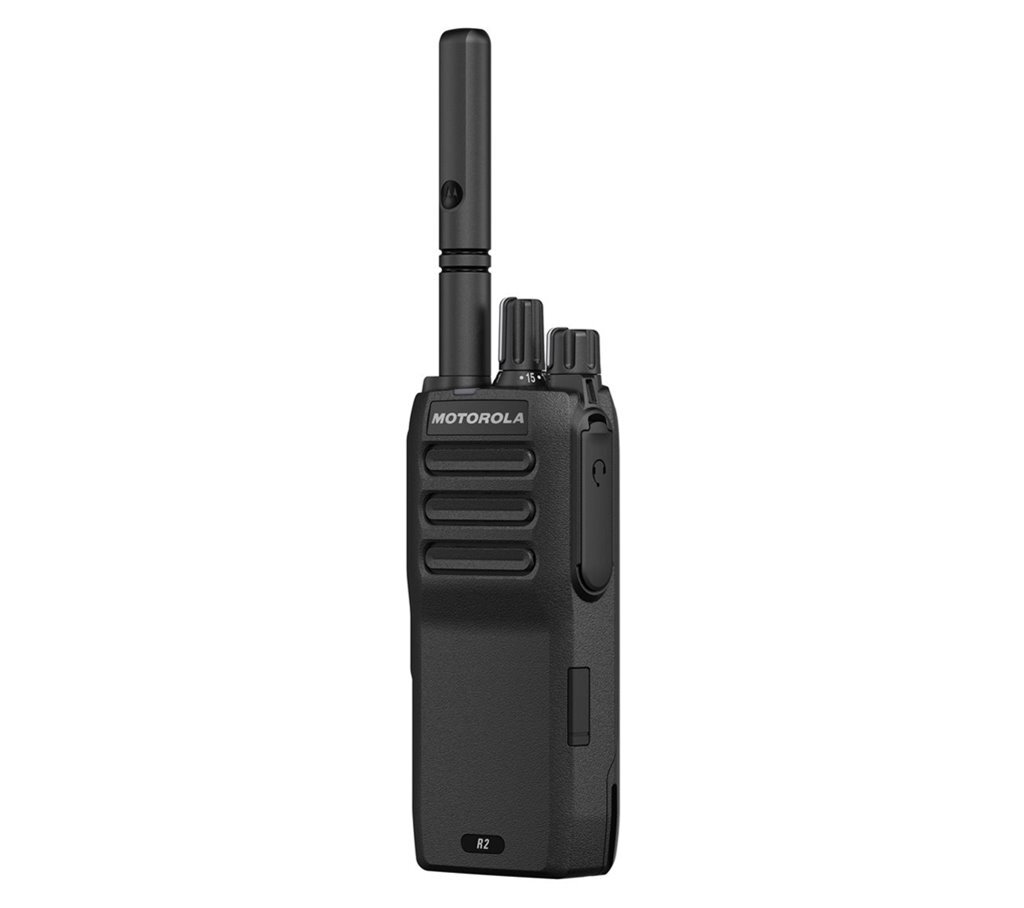
Mototrbo R2 product image
MOTOTRBO R2

Dependable everyday handheld
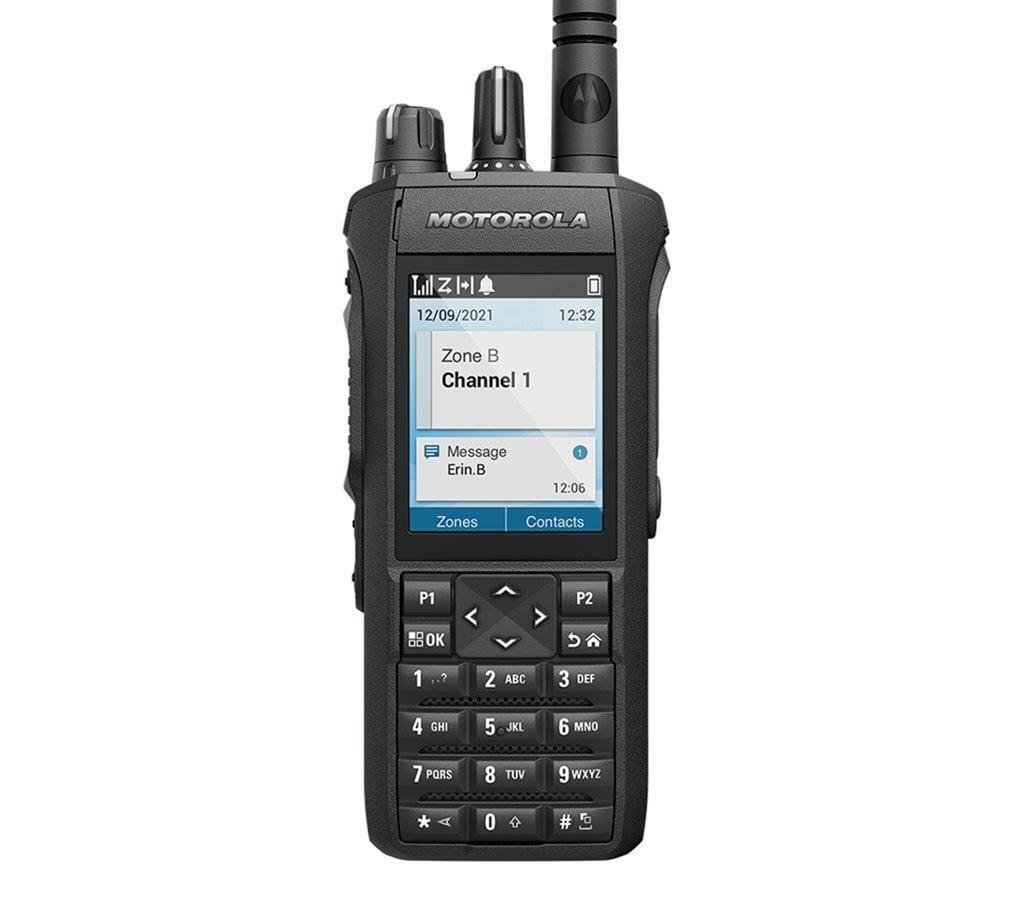
Mototrbo R7 product image
MOTOTRBO R7

Advanced handheld for loud environments
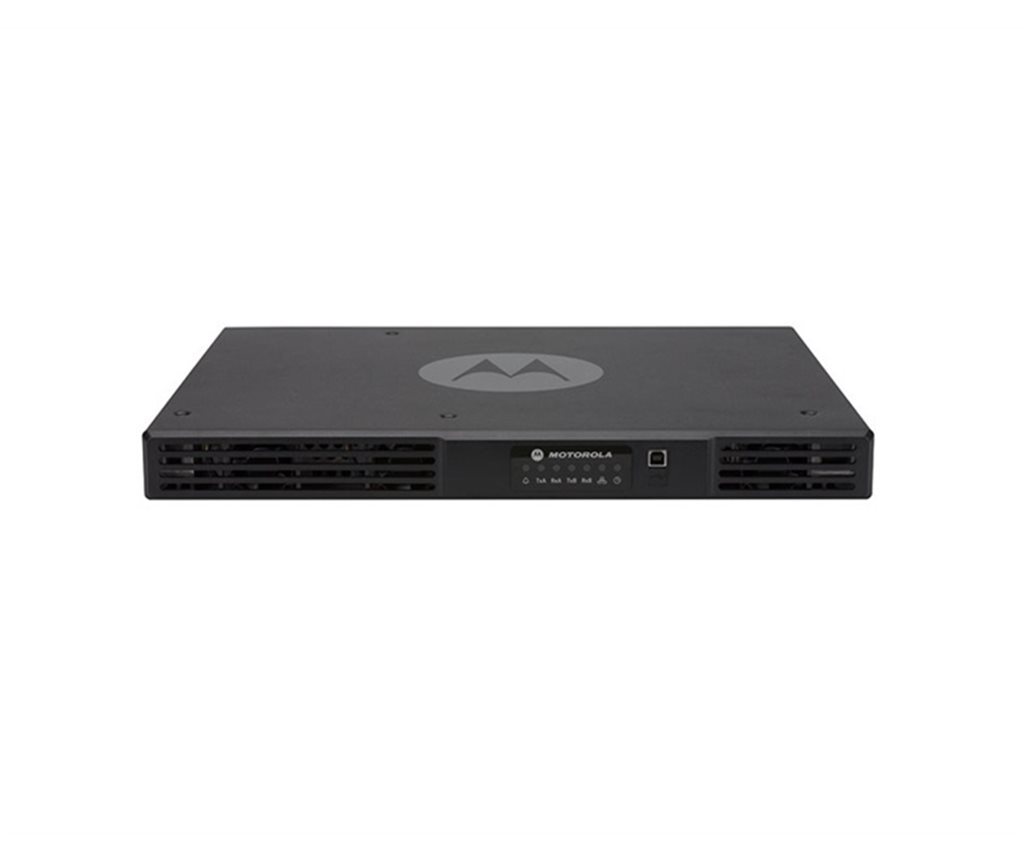
Motorola infrastructure featured image
Motorola Infrastructure

Fleet and site-wide coverage

Speak to a specialist

Featured Products

Caltta Digital Radio

Caltta provides a modern, reliable digital radio solution - ideal for organisations upgrading from analogue or deploying new systems while balancing performance and cost.

It also offers a clear growth path into wide-area trunking and centrally managed infrastructure as operational requirements expand.

Best suited for:
  • New digital deployments
  • Cost-effective upgrade projects
  • Organisations planning future scalability
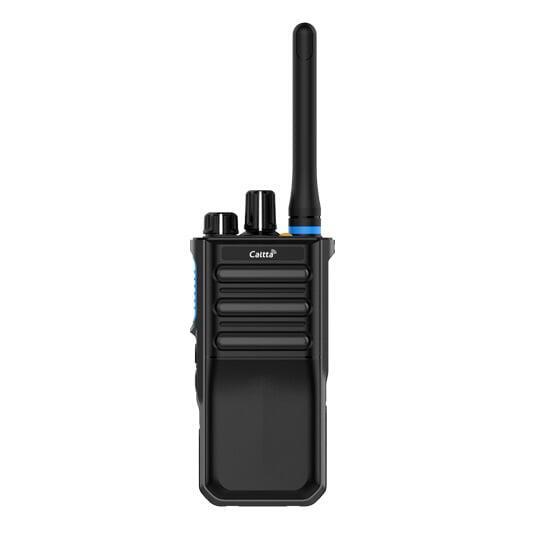
Caltta DH500 Product image
Caltta DH500

Solid, cost effective entry level device
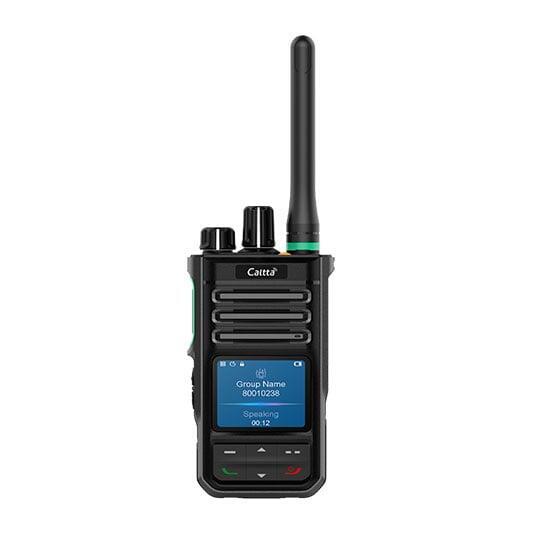
Caltta PH660 product image
Caltta PH660

Compact and robust IP68
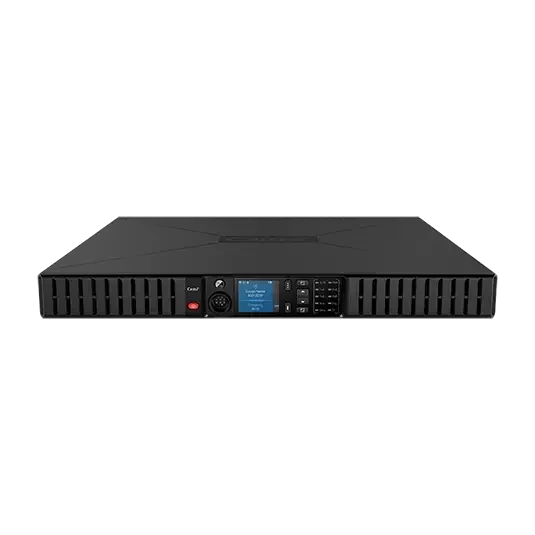
Caltta infrastructure product image
Caltta Infrastructure

Fleet and site-wide coverage

Speak to a specialist

Scalable System Architecture

For organisations that require more than standalone radios, we design structured two-way radio communication systems that deliver secure coverage, centralised dispatch control, and reliable connectivity across large sites and multi-team operations. Our scalable trunked radio solutions enable instant group communication, live monitoring, and operational coordination from a single control point - improving safety, efficiency, and response times.

We support industry-leading platforms including Motorola Capacity Plus and Caltta ECS, selecting the right architecture based on operational scale, user volume, site layout, and long-term growth requirements.

System Solutions

Motorola systems & solutions
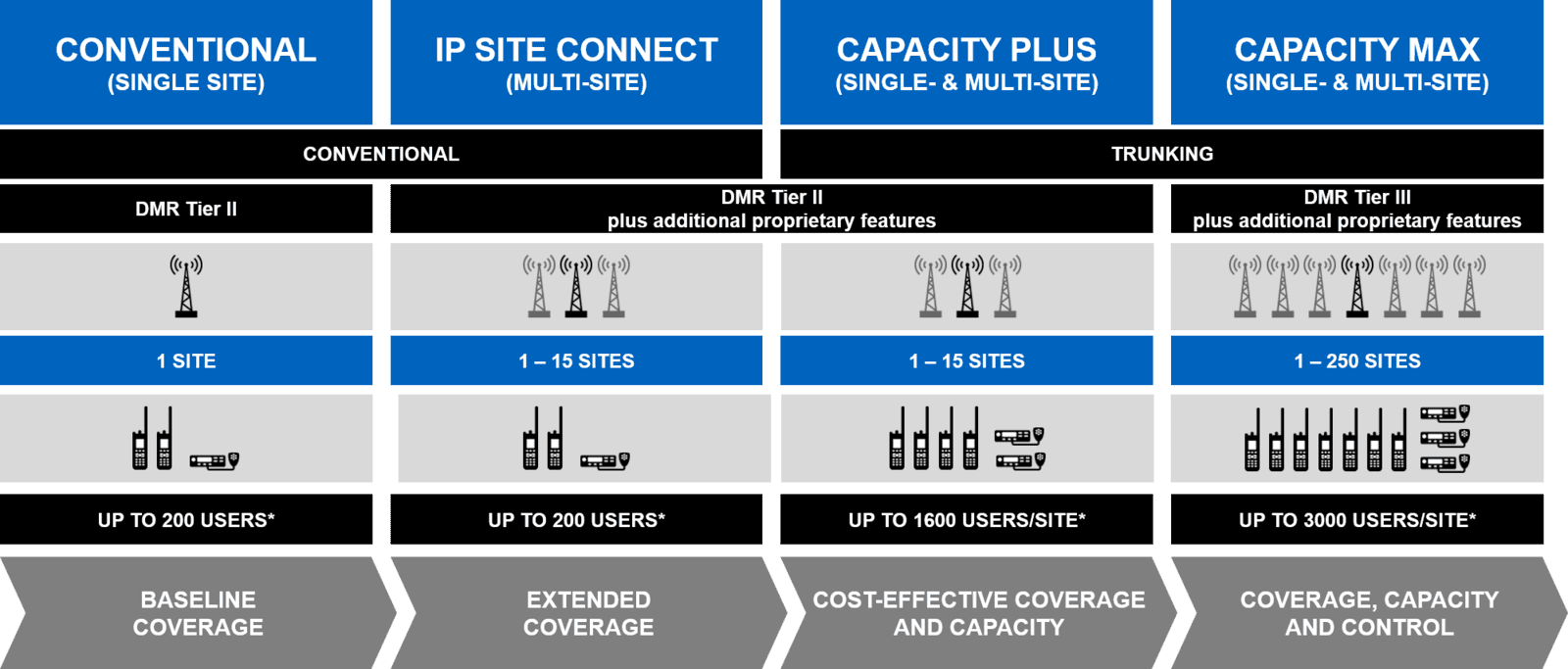
Capacity Plus (CAP+) Trunking

Scalable trunking for busy multi-user sites

Capacity Plus delivers efficient channel management for operations that need to support multiple talk groups and users simultaneously. Ideal for warehouses, manufacturing sites, and busy facilities where communication demand is high.
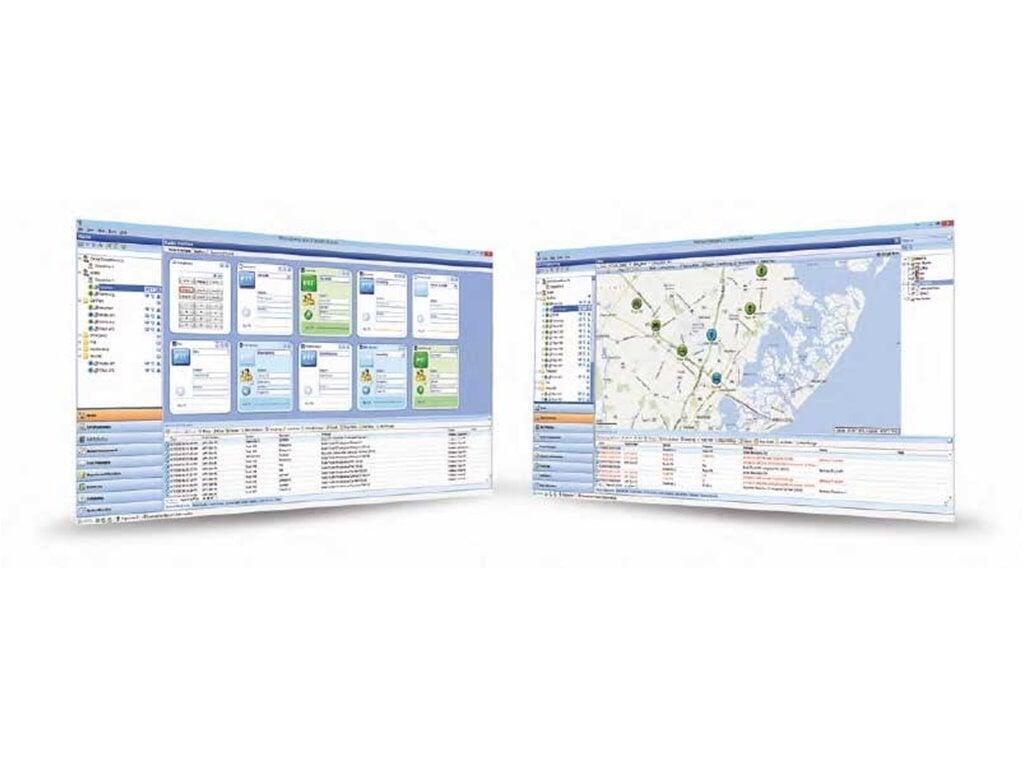
TRBOnet Dispatch Software

Control-room coordination, recording, incident response


TRBOnet provides centralised dispatch capabilities with call recording, GPS tracking, and incident management. Perfect for operations requiring oversight, accountability, and rapid response coordination.

Alternative Solutions

Caltta systems & solutions

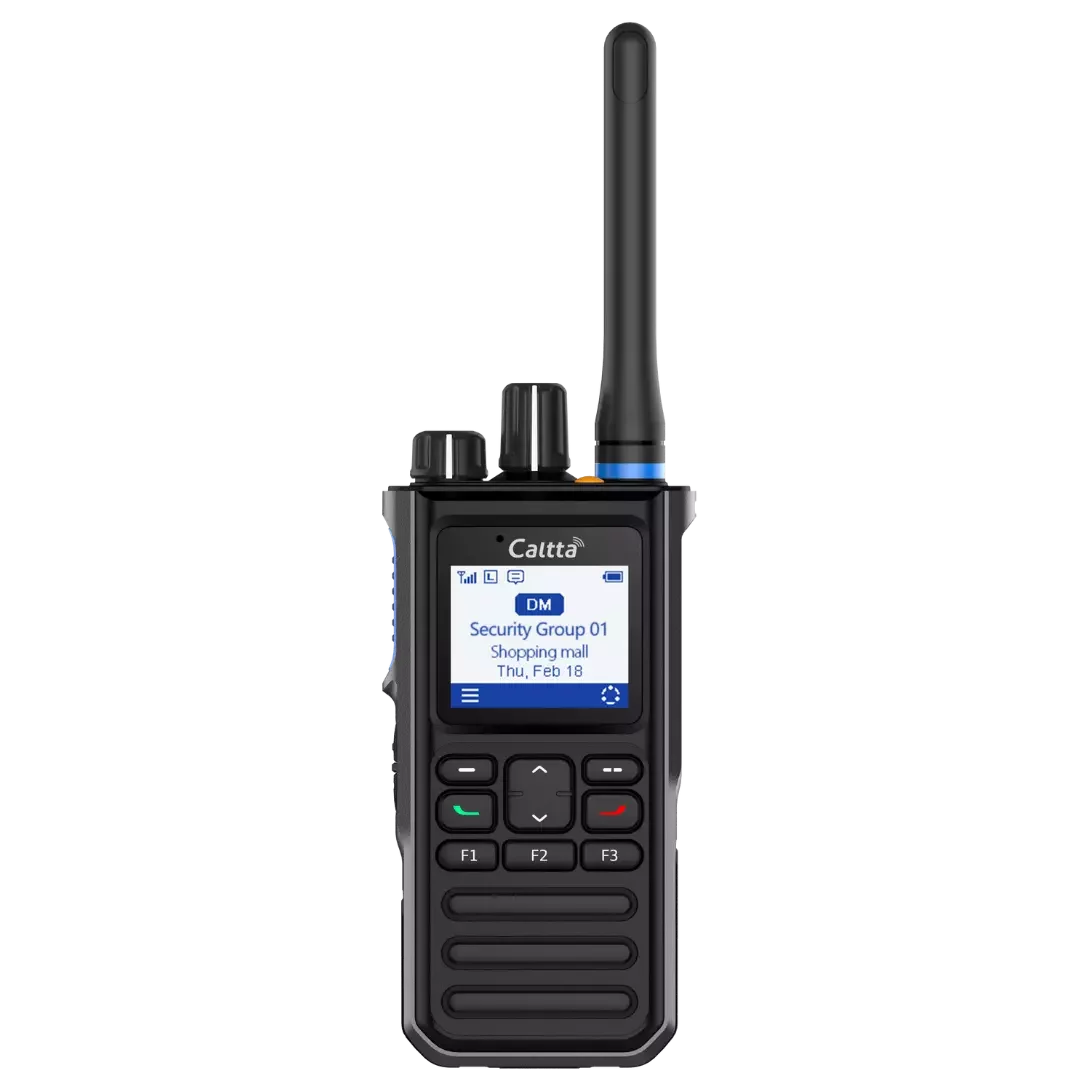
Caltta ECS is a scalable wide-area digital trunking platform built for multi-site operations and high-demand environments that require reliable coverage, advanced control, and communication prioritisation.

Designed to deliver Tier III-style functionality, ECS enables priority calling, call interruption, and efficient channel management to ensure critical messages get through without delay. This allows teams to coordinate effectively, even during peak traffic or emergency situations.

By providing the performance and control of a full Tier III network without the associated cost and infrastructure complexity, Caltta ECS offers a practical, future-ready solution for organisations that need dependable, high-capacity radio communication across large or distributed sites.
Key capabilities include:

  • Call priority & interruption
  • Efficient channel allocation
  • Centralised dispatch integration
  • Multi-site scalability
Speak to a Caltta ECS specialist

Benefit from an Independent review, coverage design & ongoing support

Foresolutions provides independent system reviews and full lifecycle support for organisations operating professional two-way radio estates. Whether you are running an established Motorola system or planning future expansion, we ensure your communications platform remains reliable, optimised, and properly supported.

Site Surveys & Coverage Assessment

Signal testing, operational mapping, and identification of coverage gaps across your site.

Antenna & Infrastructure Optimisation

Improving coverage performance, reducing dead zones, and
strengthening system reliability.

System Programming & Configuration

Consistent talk group structures, emergency features, and fleet-wide radio setup aligned to your operation.

Maintenance & Support Contracts

Ongoing servicing, upgrades, and technical support to keep systems running smoothly over time.
Book a discovery call

Ready to get started?

Let's build a communication system that lasts

Whether you need new radios, better coverage, trunking infrastructure, or a partner to properly support an existing system - our team is ready to help.
No obligation. Just expert guidance tailored to your site.

Book a discovery call
Book a site survey

Our Clients

What is a two-way radio?

A two-way radio is a portable radio that can both transmit and receive audio signals. It allows users to communicate with each other over a shared frequency, just likewalkie-talkie.

Are digital two-way radios better than analogue?

Digital two-way radios (such as DMR systems) provide clearer audio, improved battery life, enhanced security features, and support for advanced functions such as text messaging and telemetry. They are typically preferred for professional and enterprise deployments.

What industries use two-way radios?

Two-way radios are used in a variety of industries, including public safety, transportation, hospitality, construction, manufacturing, and retail. They are commonly used by security teams, event organisers, and emergency responders.

What is the difference between UHF and VHF two-way radios?

UHF (Ultra High Frequency) radios are better suited for indoor environments, construction sites, and built-up areas where signals must penetrate walls and structures. VHF (Very High Frequency) radios perform better in open outdoor environments such as rural areas or large open sites.

What is the difference between two-way radios and PoC radios?

Two-way radios and PoC radios both allow for instant communication between two or more individuals, but there are some key differences between them.


Two-way radios operate on radio frequencies and use a dedicated radio network or channel to communicate. They are commonly used in settings where reliable communication is critical, such as in emergency services, construction sites, and outdoor activities. Two-way radios require no monthly fees or internet connection, but their range is limited by the strength of their signal and the terrain.


On the other hand, PoC radios use cellular networks to transmit and receive voice communications. They work similarly to smartphones and allow users to communicate with each other over long distances without the need for a dedicated radio network. PoC radios are becoming increasingly popular in industries such as transportation, logistics, and security where widespread coverage is required. However, they require a monthly subscription to a cellular network provider, and their reliability can be affected by network coverage and internet connectivity issues.

Can two-way radios integrate with Push-to-Talk over Cellular (PoC)?

Yes. Through Radio over IP (RoIP) gateways, licensed two-way radio systems can integrate with PoC platforms, enabling hybrid communication between radio users and cellular users across multiple locations.

What are the benefits of using two-way radios over mobile phones?


Two-way radios offer a range of benefits over mobile phones, including durability and reliability, instant communication, group communication, cost-effectiveness, enhanced privacy, and no cellular network coverage required. They are ideal for use in harsh environments, emergency situations, remote work sites, and outdoor activities. They are also a great option for businesses, organisations, and individuals who need reliable communication but have limited budgets.


Overall, two-way radios provide a reliable and efficient means of communication that is often superior to mobile phones in certain situations and environments.

How Long Will My Two Way Radio Battery Last?


The lifespan of a two-way radio battery depends on several factors such as the battery capacity, usage patterns, and environmental conditions. In general, most two-way radio batteries will last anywhere from 8 to 24 hours on a single charge, with some high-capacity batteries lasting up to 36 hours.
 
Factors that can affect battery life include the frequency of use, the distance of communication, the power level of the radio, and the temperature of the environment. For example, if you use your radio frequently and at high power levels, your battery will drain faster than if you use it sparingly and at lower power levels. Similarly, if you use your radio in extremely cold or hot temperatures, this can also affect the battery life.
 
It is important to note that battery performance can degrade over time, so it is recommended to replace the battery every two to three years or sooner if you notice a significant decrease in battery life. To ensure maximum battery life, it is also important to follow the manufacturer's recommended charging instructions and to avoid overcharging or undercharging the battery.

How are two-way radios different from other communication devices?

Two-way radios are different from other communication devices, such as cell phones, because they are designed for one-to-many communication. They allow a single user to transmit a message to multiple users at once, making them ideal for group communication.

Do I need an Ofcom licence for two-way radios in the UK?

Yes, most professional two-way radios operating on UHF or VHF frequencies require an Ofcom licence in the UK. Licensed radios provide greater range, reduced interference, and secure communication compared to licence-free alternatives. We can advise on the correct licence type based on your operational environment.

How far can a licensed two-way radio transmit?

Transmission range depends on terrain, buildings, and whether a repeater system is installed. Direct radio-to-radio communication may range from 1–5 km in urban areas, while repeater systems can extend coverage significantly across large estates or multi-site operations.