Find equipment faster
Reduce time lost walking wards and departments looking for mobile equipment that should already be available.

One connected technology partner for hospital estates, clinical support, facilities, security and operational teams — combining asset tracking, DMR radio, Push-to-Talk over Cellular, body-worn cameras and digital wayfinding around the way healthcare actually works.
You do not need another disconnected technology stack. Start with the operational problem, deploy the solution that fixes it, then connect additional capabilities where they create measurable value.
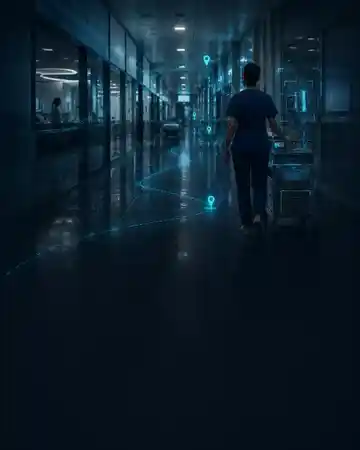
LIVE INDOOR RTLSLocate wheelchairs, beds, pumps and mobile equipment across wards, departments and estates with live indoor visibility.
Explore asset tracking →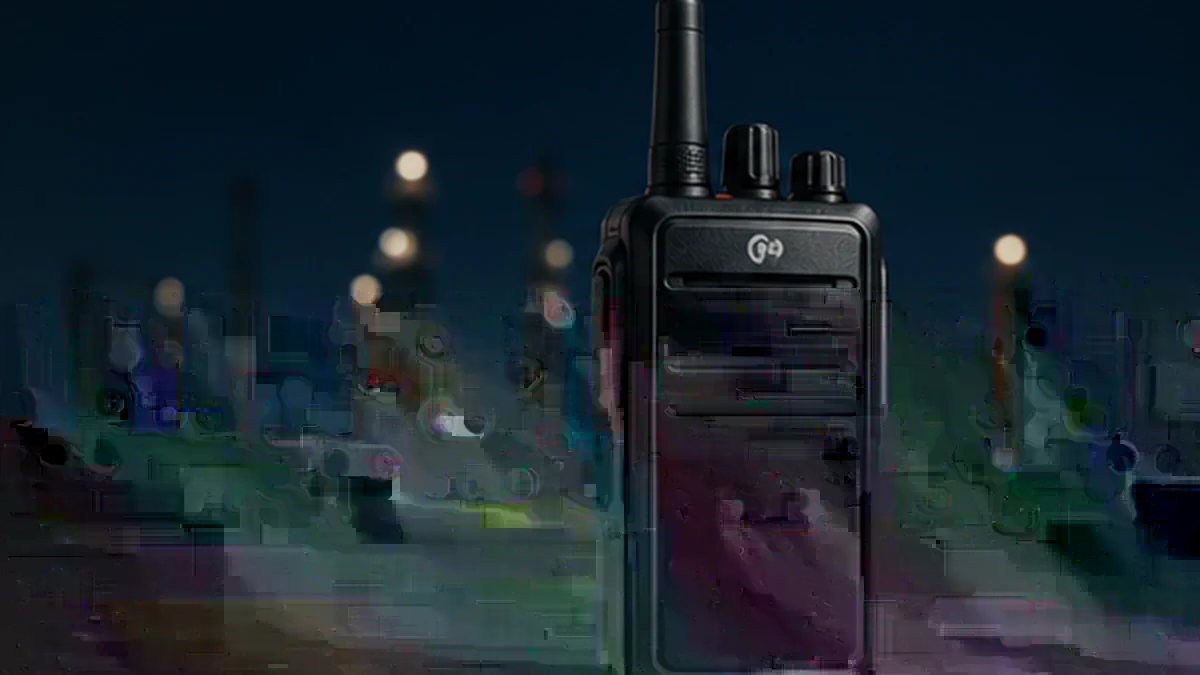
Reliable instant voice for estates, security, portering, facilities and response teams where communication has to work first time.
Explore DMR radio →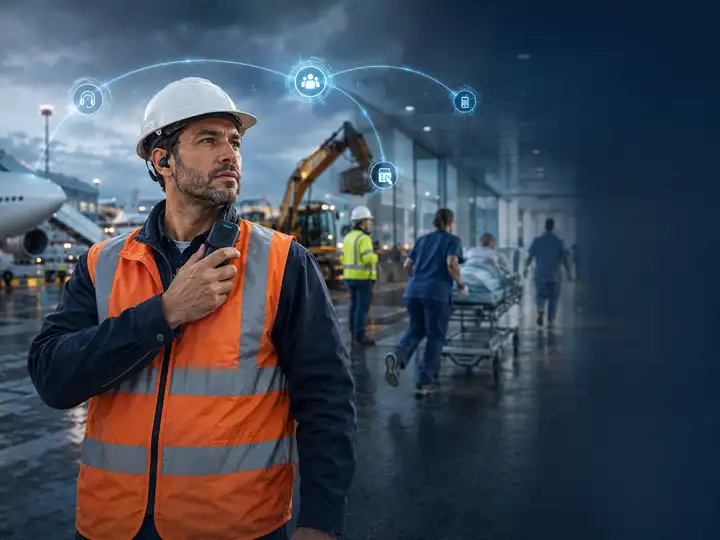
Connect dispersed teams over Wi-Fi, 4G and 5G with group voice, messaging and location across large or multi-site estates.
Explore Push-to-Talk →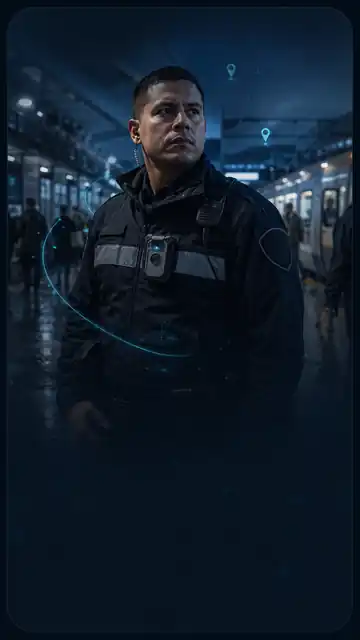
Support frontline and lone-working teams with visible deterrence, incident recording and evidential workflows when situations escalate.
Explore body-worn video →
Guide patients, visitors and staff through complex hospitals using kiosks, web and mobile routes built around accessible journeys.
Explore digital wayfinding →The value is not the device or platform on its own. It is the time, clarity and control it gives back to the people running the estate and supporting care.
Reduce time lost walking wards and departments looking for mobile equipment that should already be available.
Give operational teams instant communication without relying on repeated calls, personal mobiles or fragmented channels.
Add visible protection, faster incident escalation and better evidence for teams working in challenging public-facing environments.
Help people reach the right destination without turning reception, clinical and facilities staff into the hospital navigation system.
Start where the operational pain is highest, then build a joined-up approach across location, communications, staff safety and navigation.
We design the workflow first, then select and integrate the right mix of hardware, software, connectivity and support.
Our published Darent Valley Hospital case study shows how BLE asset tracking and Foretrack Connect replaced manual equipment searches with live location visibility across a complex hospital estate.
Healthcare environments vary. The right answer depends on building layout, coverage, user groups, governance, required accuracy and the operational outcome you need.
Yes. Asset tracking, radio, PoC, body-worn video and wayfinding can each solve a specific problem independently, then be combined where a connected approach adds value.
Not necessarily. We can design around existing infrastructure and operational processes, then identify where integration, rationalisation or replacement makes commercial sense.
Start with the highest-friction workflow: searching for equipment, communication gaps, staff-safety incidents or repeated navigation problems. We can scope the right pilot from there.
Tell us where time is being lost, communication is breaking down, staff feel exposed or people are getting lost. We will design the right healthcare solution around that problem.
Help staff find equipment, move through buildings, communicate and create safer evidence-led processes.
See the practical guidance and the Foresolutions solution route.
02How do teams communicate instantly?See the practical guidance and the Foresolutions solution route.
03How do we create incident evidence?See the practical guidance and the Foresolutions solution route.
04How do patients and visitors navigate?See the practical guidance and the Foresolutions solution route.
Foresolutions supports healthcare asset tracking, NHS asset tracking and hospital asset tracking requirements alongside healthcare RTLS, digital wayfinding, body-worn video and critical communications. The technology mix is selected around the estate, equipment, staff workflow and level of location detail required.
Hospital asset tracking and RTLS help clinical and operational teams find shared equipment faster inside complex buildings. The design depends on the required accuracy, the asset type, the existing estate and the workflow around finding, moving and returning equipment.
Indoor RTLS can support department, zone or more precise location workflows where GPS cannot provide reliable indoor positioning.
The value is not simply a dot on a map. Search, availability, movement and exception workflows need to fit how clinical and estates teams actually work.
Hospitals can treat staff asset search and patient/visitor navigation as separate but complementary location problems across the same complex estate.
Asset search, RTLS and wayfinding solve different location problems. A discovery session can map the workflow, required accuracy and estate constraints before choosing the architecture.
For frontline staff safety and incident evidence, explore our body-worn camera systems.
Tell us what is wasting time, creating risk or making work harder. We’ll design the right solution around it.
Asset visibility Track it.•Find it.•Use it. Know where it is. Find what teams need. Keep valuable assets working.
Connected operations Connect it.•See it.•Control it. Connect people and systems. See what matters. Control the response.