
Protecting lone and public-facing security workers
The challenge, technology deployed and operational outcome.
Protecting lone and public-facing security workers
The challenge, technology deployed and operational outcome.
Protecting lone and public-facing security workers
The challenge, technology deployed and operational outcome.
Protecting lone and public-facing security workers
Technology can support lone-worker communication and incident evidence, but it needs to sit inside a risk-managed process rather than become the safety policy itself.
Start with the risk, not the device
HSE guidance says employers must manage risks to people who work alone, including training, supervision, monitoring, keeping in touch and responding to incidents. Security and other public-facing roles may be more vulnerable when help is not immediately nearby, particularly where they enforce rules or deal with difficult behaviour.
Communication needs an escalation route
A radio, PTToC device or emergency alert is useful only when the organisation knows who receives the call, what information they get and what happens next. For some sites DMR offers dependable dedicated coverage; for dispersed teams PTToC can extend communication over cellular and Wi-Fi networks.
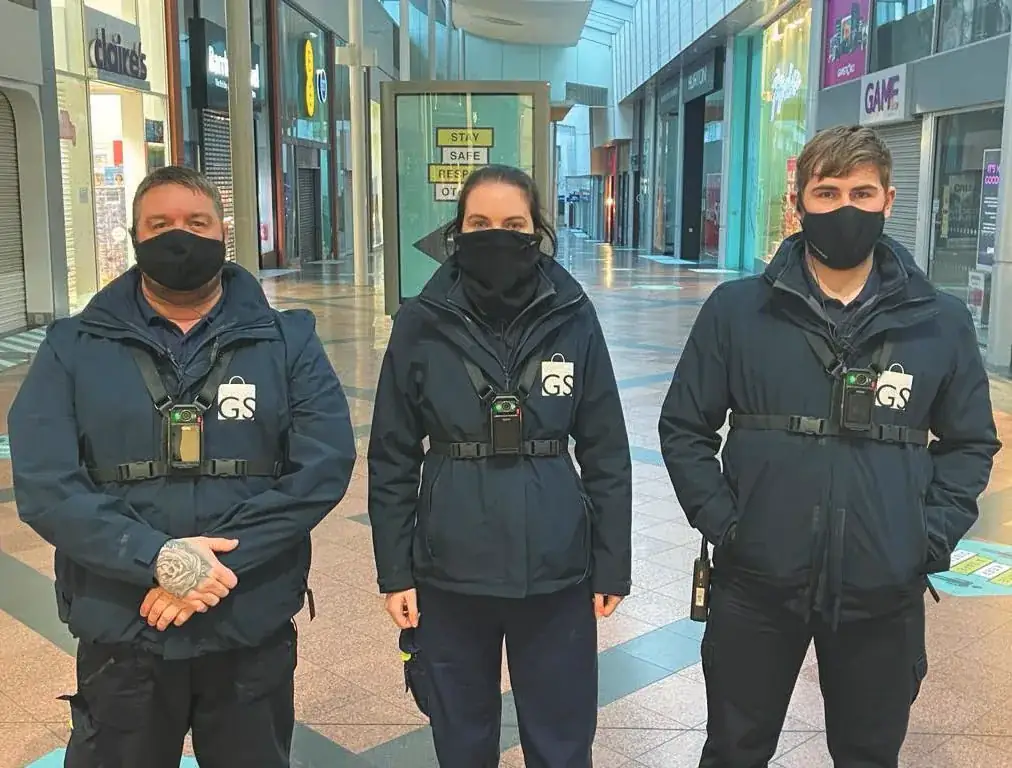
Body-worn video is an evidence programme
The ICO says organisations using body-worn video should consider necessity and proportionality, complete a DPIA where required, provide privacy information, train users and maintain retention, retrieval and redaction processes. That means the evidence-management workflow is as important as the camera specification.
Design for the real working day
The strongest deployments bring communication, emergency procedures, evidence and supervision together around the role. Foresolutions can help organisations choose the appropriate technology, configure it around their operating model and connect it to the wider process.
Current guidance used for this update
Reviewed August 2026. External guidance can change; organisations should check the latest official requirements for their use case.