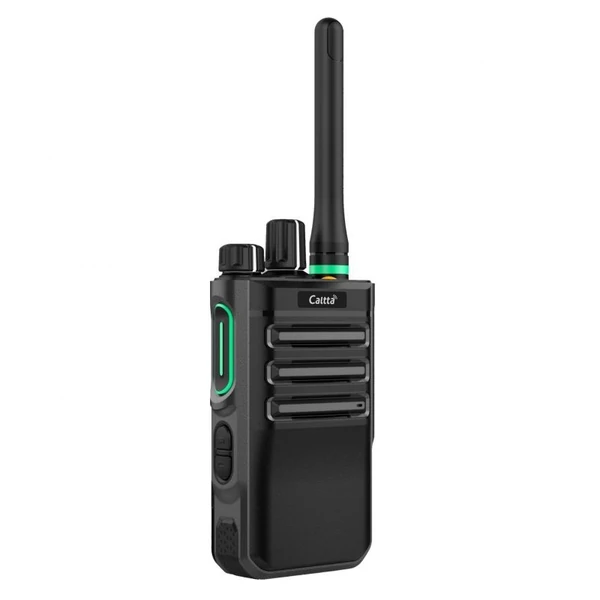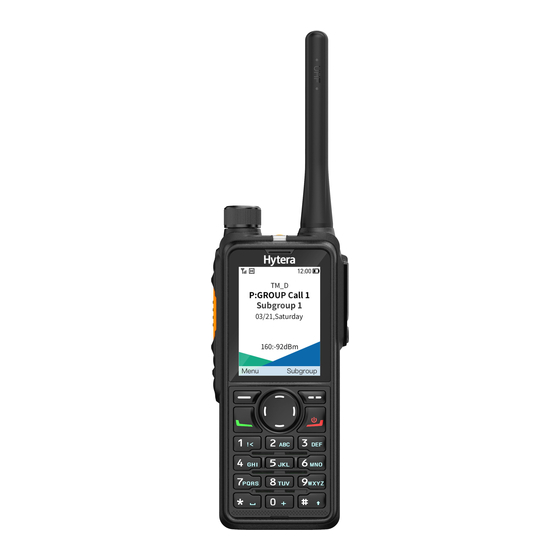
  • Business Two-Way Radios

    Solutions for indoor & outdoor settings including complex coverage issues
    Get In Touch For A Quote

Two-way radios for reliable team communication

Instant voice communication where clarity, reliability and speed matter.

Two-way radios remain a trusted solution for instant, low-latency push-to-talk communication across a wide range of operational environments. 

Used by teams in security, logistics, aviation, retail and incident response, they provide reliable voice connectivity without dependence on public mobile networks. 


We support organisations in selecting, configuring and deploying two-way radio systems that are aligned with operational requirements and long-term communication strategies with Free onsite consultations so you can rest assured the solution we design will be fit for purpose before you invest.

Get In Touch

Rugged construction

Radios are designed to withstand drops, vibration, dust and moisture, making them suitable for warehouse floors, airside operations, construction sites and remote locations.

Clear audio in noisy environments

Advanced noise-cancelling microphones and speaker design help ensure messages come through intelligibly - even on busy sites or in adverse conditions.

Long battery life

Extended runtimes mean devices stay powered through long shifts, reducing interruptions and supporting continuous communication.

Why two-way radios still matter

Two-way radios are purpose-built for instant voice communication without reliance on public mobile networks. They work where mobile coverage can be limited or unpredictable, and they provide:

  • Immediate push-to-talk comms - no dialling or network login required
  • Low latency and priority access - critical in fast-moving environments
  • High reliability and durability - built for demanding day-to-day use
  • Dedicated radio channels- isolated from mobile network congestion

For teams that must communicate instantly and consistently, two-way radios offer a proven, resilient solution.
Talk To Our Team

Traditional Two-Way Radio vs Push To Talk Over Cellular (PTToC) - Which is best for me?

The two main options for your core communications are traditional two-way radio or newer 4G cellular radios, often referred to as either PTToC, PoC, LTE or push to talk. The main difference is that traditional two-way radio uses a closed network on UHF or VHF radio frequencies, using repeaters to provide coverage, whilst PTToC or PoC radio uses devices with a SIM card that uses your mobile network or a local WiFi network to provide connectivity. 

Coverage

Two-way radio can work point to point with themselves or for wider area networks will need their own repeater infrastruture. With PTToC the reach could be national and even international, but only if there is network or WiFi coverage.

Single Failure Point

Radio repeaters can fail, which then means the whole system is down. Possible failures on PTToC could be mobile coverage or problems with the WiFi network, but you are generally less likely to have a single point of failure.

Major Incidents

Radio networks generally stay working, mobile networks can get saturated or shut down by the emergency services, however if you have a WiFi signal this will act as a backup.

Apps

PTToC devices do come with the ability to use most Apps your workforce may need to access. This can still be done on a higher tech radio system, but the functionality works particulalrly well with PTToC.

Push-to-Talk-over-Cellular

Looking for wider coverage?

Push-to-talk over cellular (PTToC) uses mobile and Wi-Fi networks to extend push-to-talk communication beyond the limits of traditional radio, with added visibility and control.

Explore PTToC

Our approach:

  • Flexible contracts
  • Single point of contact for account management
  • Leading technology from the best manufacturers in the business 
  • Hytera direct partner
  • 100% satisfaction guarantee
  • Site surveys 
  • Complete communications consultation
  • Unbiased advice from years of experience

“We have been very impressed with the service provided by the Foresolutions team. The products supplied increase the radio coverage across Castlepoint ensuring that our security staff and retailers have constant open communications with each other.”

Peter Matthews – Managing Director – Castlepoint, Bournemouth

Our Clients

What is a two-way radio?

A two-way radio is a portable radio that can both transmit and receive audio signals. It allows users to communicate with each other over a shared frequency, just likewalkie-talkie.

What industries use two-way radios?

Two-way radios are used in a variety of industries, including public safety, transportation, hospitality, construction, manufacturing, and retail. They are commonly used by security teams, event organisers, and emergency responders.

What is Push to Talk over Cellular and how does PoC work?

PoC uses a cellular network to transmit voice data between users. Users press a button to initiate a conversation, which is sent over the network to the other party. Unlike traditional radio communication, PoC allows users to communicate with others who may be located anywhere in the world, as long as they have a cellular network connection.

What is the difference between two-way radios and PoC radios?

Two-way radios and PoC radios both allow for instant communication between two or more individuals, but there are some key differences between them.


Two-way radios operate on radio frequencies and use a dedicated radio network or channel to communicate. They are commonly used in settings where reliable communication is critical, such as in emergency services, construction sites, and outdoor activities. Two-way radios require no monthly fees or internet connection, but their range is limited by the strength of their signal and the terrain.


On the other hand, PoC radios use cellular networks to transmit and receive voice communications. They work similarly to smartphones and allow users to communicate with each other over long distances without the need for a dedicated radio network. PoC radios are becoming increasingly popular in industries such as transportation, logistics, and security where widespread coverage is required. However, they require a monthly subscription to a cellular network provider, and their reliability can be affected by network coverage and internet connectivity issues.

What are the benefits of using two-way radios over mobile phones?


Two-way radios offer a range of benefits over mobile phones, including durability and reliability, instant communication, group communication, cost-effectiveness, enhanced privacy, and no cellular network coverage required. They are ideal for use in harsh environments, emergency situations, remote work sites, and outdoor activities. They are also a great option for businesses, organisations, and individuals who need reliable communication but have limited budgets.


Overall, two-way radios provide a reliable and efficient means of communication that is often superior to mobile phones in certain situations and environments.

How Long Will My Two Way Radio Battery Last?


The lifespan of a two-way radio battery depends on several factors such as the battery capacity, usage patterns, and environmental conditions. In general, most two-way radio batteries will last anywhere from 8 to 24 hours on a single charge, with some high-capacity batteries lasting up to 36 hours.
 
Factors that can affect battery life include the frequency of use, the distance of communication, the power level of the radio, and the temperature of the environment. For example, if you use your radio frequently and at high power levels, your battery will drain faster than if you use it sparingly and at lower power levels. Similarly, if you use your radio in extremely cold or hot temperatures, this can also affect the battery life.
 
It is important to note that battery performance can degrade over time, so it is recommended to replace the battery every two to three years or sooner if you notice a significant decrease in battery life. To ensure maximum battery life, it is also important to follow the manufacturer's recommended charging instructions and to avoid overcharging or undercharging the battery.

How are two-way radios different from other communication devices?

Feel Free and Connect With Us

Two-way radios are different from other communication devices, such as cell phones, because they are designed for one-to-many communication. They allow a single user to transmit a message to multiple users at once, making them ideal for group communication.